How to Reduce Construction Costs Without Compromising Quality in Nepal
Building a house, commercial property, warehouse, factory, or other facility is a
significant investment. One of the biggest challenges for project owners is controlling
construction costs without compromising structural safety, quality, durability,
workmanship, or long-term value.
Construction costs can increase due to poor planning, inaccurate estimates, material
wastage, construction delays, design changes, inefficient procurement, labor issues,
and unexpected site conditions.
However, reducing construction costs does not mean choosing the cheapest materials
or cutting corners.
The better approach is
smart cost management—planning carefully,
optimizing the design, selecting appropriate materials, controlling waste,
managing the construction schedule, and working with qualified professionals.
In this guide, we explain practical ways to reduce construction costs in Nepal while
maintaining quality, safety, and long-term performance.
How Can You Reduce Construction Costs Without Compromising Quality?
The most effective way to reduce construction costs without compromising quality is to
optimize the design, prepare a realistic budget, control material waste, select appropriate
materials, minimize delays, and maintain professional project management and supervision.
The goal should not simply be to spend less. Instead, project owners should aim to get
the best possible value from every rupee invested in the project.
1. Start With a Realistic Construction Budget
One of the most effective ways to control construction costs is to prepare a detailed
budget before construction begins.
A construction budget should go beyond the cost of concrete, steel, bricks, and labor.
Depending on the project, it may include:
- Site preparation and excavation
- Architectural design
- Structural engineering
- Construction materials
- Labor
- Equipment and machinery
- Transportation
- Electrical work
- Plumbing and MEP systems
- Doors and windows
- Flooring
- Painting and finishing
- Approvals and applicable fees
- Project supervision
- Contingency allowance
A realistic budget gives you a clearer understanding of where your money will be spent.
It also helps identify areas where costs can be optimized without affecting essential
structural or functional requirements.
Initial Estimate vs. Complete Construction Budget
An initial estimate provides an approximate idea of the project cost. A complete budget
should consider the major components of the project, material specifications, quantities,
labor, equipment, finishing requirements, and other project-specific expenses.
Before construction begins, discuss your budget with your architect, structural engineer,
contractor, or project consultant.
2. Invest in Proper Architectural and Structural Design
Good design is not an unnecessary expense. In many cases, proper design can actually
help reduce construction costs.
A well-planned design can:
- Improve space utilization
- Reduce unnecessary structural complexity
- Minimize material requirements
- Improve construction efficiency
- Reduce rework
- Coordinate building systems more effectively
Consider practical floor plans, efficient room sizes, functional layouts, appropriate
structural grids, proper column and beam placement, and coordinated electrical and
plumbing layouts.
Architectural and structural engineering should also be coordinated before construction
begins.
Trying to save money by reducing essential design or engineering work can result
in costly modifications, rework, delays, or construction problems later.
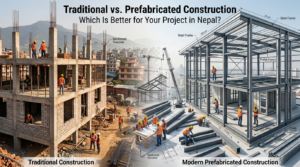
3. Choose the Right Construction Method
The construction method can have a significant effect on the overall project budget.
Depending on the project, possible approaches may include:
- Traditional reinforced-concrete construction
- Steel structure construction
- Prefabricated construction
- Hybrid construction
There is no single construction method that is cheapest for every project.
A residential building, commercial property, warehouse, and industrial facility may
have completely different structural, functional, and operational requirements.
When selecting a construction method, consider:
- Building type
- Project size
- Site location
- Construction timeline
- Transportation access
- Labor availability
- Material availability
- Maintenance requirements
- Future expansion
- Structural requirements
For some industrial, warehouse, and large-span applications, steel structures can
provide practical advantages in terms of construction speed, flexibility, and structural
requirements.
The right approach is to select the construction system that provides the best overall
value for the specific project rather than simply choosing the lowest initial cost.
4. Select Materials Based on Value, Not Just Price
One of the most common construction mistakes is selecting materials based only on
their initial price.
A cheaper product is not necessarily more economical if it has lower durability,
requires frequent replacement, creates installation problems, or increases maintenance
costs.
When comparing construction materials, consider:
- Quality
- Durability
- Availability
- Transportation cost
- Installation requirements
- Maintenance requirements
- Expected service life
- Warranty, where applicable
For example, an appropriate-quality material that lasts longer may provide better
value than a very inexpensive alternative that needs earlier replacement.
The objective should be cost-effective construction, not simply
low-cost construction.
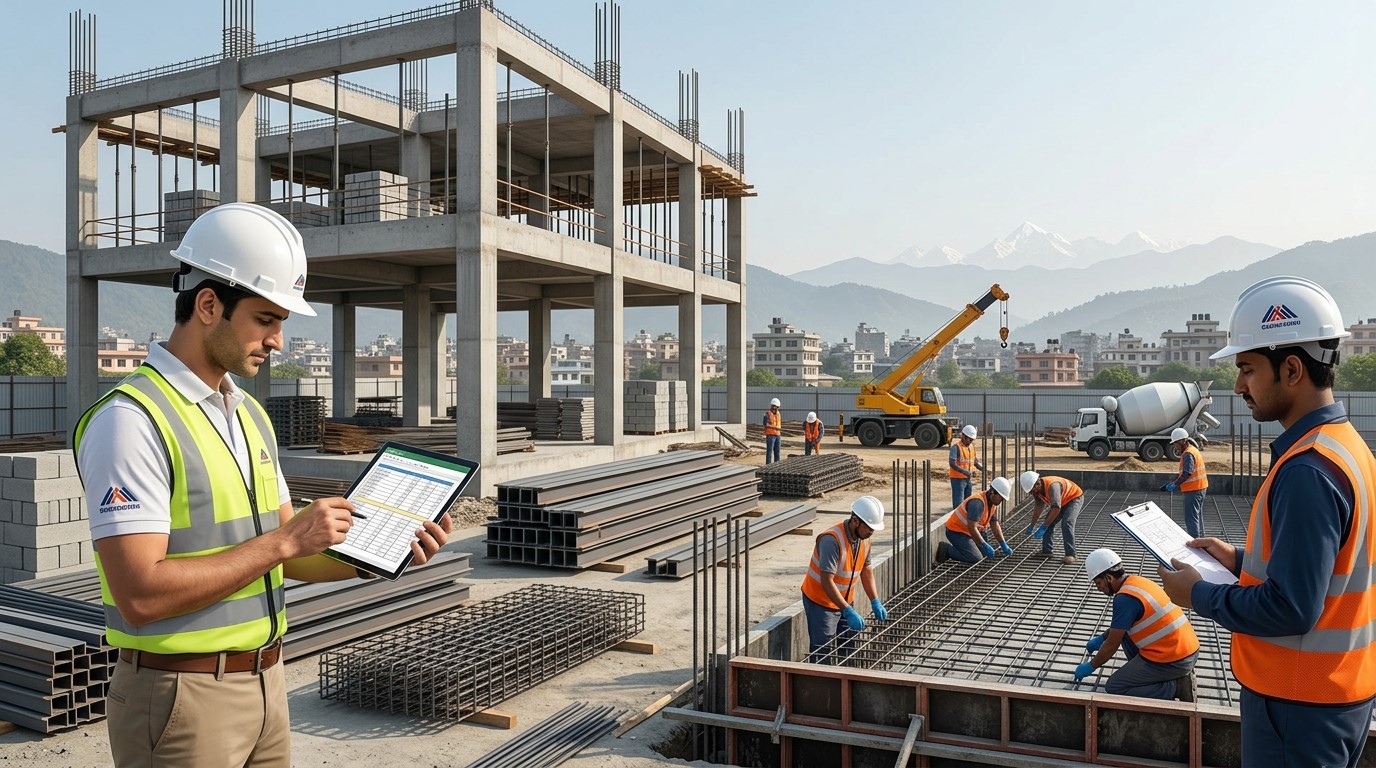
5. Reduce Material Waste
Material wastage can quietly increase the cost of a construction project.
Accurate quantity estimation, procurement planning, proper storage, and good site
management can help reduce unnecessary waste.
Materials that require careful management may include:
- Cement
- Reinforcement steel
- Bricks and blocks
- Sand and aggregates
- Tiles
- Paint
- Pipes
- Electrical materials
- Finishing materials
Ways to Reduce Construction Material Waste
- Prepare accurate quantity estimates.
- Order materials according to actual project requirements.
- Store materials correctly.
- Protect materials from weather damage.
- Plan cutting and fabrication carefully.
- Monitor material usage at the site.
- Avoid unnecessary rework.
- Reuse suitable materials where technically appropriate.
Small reductions in material wastage across many parts of a project can contribute to
significant overall cost control.
6. Compare Supplier Quotations Carefully
Getting multiple supplier quotations can help project owners understand market pricing
and identify suitable suppliers.
However, quotations should not be compared based only on the final price.
Check whether each quotation includes comparable:
- Material specifications
- Quantities
- Product quality
- Transportation
- Delivery
- Installation
- Warranty
- Taxes and applicable charges
- Payment terms
A quotation that appears cheaper initially may not actually be cheaper if important
items have been excluded.
The best comparison is a like-for-like comparison.
7. Purchase Materials According to the Construction Schedule
Buying materials too early can create storage problems, while purchasing them too late
can delay construction.
Effective procurement planning should coordinate material purchases with the construction
schedule.
Consider:
- When the material will be required
- Available storage space
- Delivery time
- Material shelf life
- Price fluctuations
- Site accessibility
- Cash-flow requirements
Materials requiring special storage should not necessarily be purchased months before
they are needed.
A well-managed procurement schedule can reduce unnecessary storage, material damage,
cash-flow pressure, and project delays.
8. Reduce Construction Delays
Time is also a cost.
Construction delays can increase expenses related to:
- Labor
- Equipment
- Site management
- Temporary facilities
- Material storage
- Project overhead
- Financing
- Contractor resources
Common causes of construction delays include:
- Incomplete design
- Frequent design changes
- Late material delivery
- Poor coordination
- Labor shortages
- Equipment problems
- Weather conditions
- Approval delays
- Unexpected site conditions
A detailed construction schedule and regular progress monitoring can help identify
problems before they become major delays.
Professional planning and site supervision are particularly important for larger
residential, commercial, industrial, and infrastructure projects.
9. Use Skilled Labor and Professional Supervision
Labor cost should not be considered separately from workmanship and productivity.
Choosing workers based only on the lowest price can create problems if poor workmanship
results in rework, material waste, delays, or construction defects.
Professional site supervision can help monitor:
- Construction quality
- Material usage
- Workmanship
- Structural work
- Construction sequence
- Safety
- Project progress
- Site coordination
Poor workmanship can result in additional material consumption, rework, delays, and
future maintenance expenses.
In many cases, investing appropriately in skilled workers and professional
supervision can prevent much larger costs later.
10. Avoid Unnecessary Design Changes During Construction
Design changes become more expensive once construction is already underway.
Changing the location or specification of elements such as:
- Doors
- Windows
- Walls
- Plumbing
- Electrical points
- Staircases
- Structural elements
- Flooring
- Bathroom fixtures
may require additional labor, materials, demolition, or rework.
Try to finalize important architectural, structural, electrical, plumbing, and
finishing decisions before construction begins.
Some changes may naturally become necessary because of site conditions or other
legitimate reasons. The objective is not to eliminate every change, but to
minimize unnecessary changes.
11. Choose Finishes Carefully
Finishing materials can significantly affect the final construction budget.
Areas that may influence project costs include:
- Flooring
- Paint
- Doors
- Windows
- Kitchen finishes
- Bathroom fixtures
- Lighting
- False ceilings
- Wall finishes
You do not necessarily need the most expensive finish in every part of a building.
Instead, consider where premium materials provide meaningful value and where durable,
practical alternatives are sufficient.
A balanced specification can help maintain the desired appearance and performance while
keeping the project budget under control.
12. Consider Energy Efficiency and Long-Term Costs
Construction costs should not be evaluated only by the initial investment.
A building also has operating and maintenance costs throughout its useful life.
Depending on the project, consider:
- Natural lighting
- Natural ventilation
- Appropriate building orientation
- Efficient lighting systems
- Efficient electrical equipment
- Water-saving fixtures
- Appropriate insulation
- Practical maintenance access
An investment that slightly increases the initial construction cost may sometimes
reduce operating or maintenance expenses over the long term.
The right decision depends on the building type, location, usage, and expected
operating conditions.
13. Use Technology and Modern Construction Methods
Technology can improve construction planning, accuracy, communication, coordination,
and efficiency.
Depending on project requirements, useful approaches may include:
- Digital quantity estimation
- Construction scheduling software
- Digital project documentation
- Improved surveying equipment
- Building Information Modeling (BIM)
- Prefabricated components
- Steel fabrication
- Digital communication and progress reporting
However, modern technology should not be adopted simply because it is new.
The technology should solve a specific project problem or improve efficiency,
quality, coordination, or accuracy.
For larger projects, coordinated digital design and modern construction methods can
help identify potential issues earlier and improve project execution.
14. Plan for Future Expansion
If you expect your building or facility to grow in the future, consider those
requirements during the initial design stage.
Possible future requirements may include:
- Additional floors
- Additional office space
- Warehouse expansion
- Additional parking
- Increased electrical capacity
- Additional production areas
- Future utility requirements
Planning for future expansion does not necessarily mean constructing everything
immediately.
Instead, the initial engineering and design can consider potential future requirements
where technically and financially appropriate.
This can help reduce the need for expensive structural or service modifications later.
Cost Cutting vs. Smart Cost Management
There is an important difference between
cutting costs and
managing costs intelligently.
| Cost Cutting | Smart Cost Management |
|---|---|
| Choosing the cheapest material | Choosing the right material |
| Reducing essential engineering work | Optimizing the design |
| Hiring only based on the lowest labor price | Hiring skilled workers |
| Skipping quality inspections | Maintaining quality control |
| Buying excessive materials | Accurate quantity planning |
| Ignoring maintenance | Considering lifecycle costs |
| Reducing project supervision | Improving project management |
| Choosing the lowest initial price | Considering overall project value |
The goal should be to
eliminate unnecessary costs, not essential costs.
Structural safety, engineering requirements, workmanship, and critical quality
standards should never be compromised simply to reduce the initial project budget.
Construction Cost-Saving Checklist
Before and during your construction project, consider the following:
- Prepare a realistic project budget
- Complete architectural and structural design
- Compare suitable construction methods
- Select materials based on quality and value
- Compare supplier quotations on a like-for-like basis
- Plan procurement according to the construction schedule
- Reduce material wastage
- Use skilled labor
- Maintain professional site supervision
- Monitor construction quality
- Avoid unnecessary design changes
- Track project expenses
- Control construction delays
- Plan finishing materials carefully
- Consider long-term maintenance and operating costs
- Maintain an appropriate contingency allowance
How Sunrise Designers & Engineering Construction Can Help
Choosing the right construction partner can make a significant difference to
project planning, quality control, coordination, and cost management.
Sunrise Designers & Engineering Construction Pvt. Ltd. provides construction
and engineering services in Nepal, including surveying, architectural and structural
design, construction drawings, residential and commercial building construction,
steel structure fabrication, industrial steel buildings, warehouses, factory sheds,
and other engineering and construction services.
Professional involvement from the planning stage can help identify practical
solutions before major resources are committed.
For a construction project, the appropriate strategy should be based on the
project’s:
- Design
- Location
- Structural requirements
- Functional requirements
- Budget
- Timeline
- Future expansion needs
Whether you are planning a residential building, commercial property, warehouse,
factory, or larger infrastructure project, careful planning and professional
execution can help control unnecessary costs while maintaining quality.
Planning a construction project in Nepal?
Contact Sunrise Designers & Engineering Construction to discuss your design,
engineering, and construction requirements.
Conclusion
Reducing construction costs without compromising quality is possible, but it requires
planning rather than shortcuts.
The most effective approach is to:
- Prepare a realistic budget
- Invest in proper design and engineering
- Choose the appropriate construction method
- Select materials based on value
- Reduce material waste
- Plan procurement carefully
- Control construction delays
- Use skilled labor
- Maintain professional supervision
- Avoid unnecessary design changes
- Consider long-term operating and maintenance costs
The cheapest option at the beginning is not always the most economical option
in the long run.
A successful construction project should balance
cost, quality, safety, durability, functionality, and time.
Because every construction project in Nepal is different, project owners should
evaluate their specific site, design, materials, structural requirements, and budget
before making major decisions.
Frequently Asked Questions
1. How can I reduce construction costs without compromising quality?
You can reduce unnecessary construction costs through proper planning, efficient
design, accurate quantity estimation, material management, supplier comparison,
waste reduction, skilled labor, and effective project supervision.
2. What is the biggest factor affecting construction cost in Nepal?
There is no single factor that determines the cost of every project. Building size,
design, materials, site conditions, location, labor, structural requirements,
finishing specifications, transportation, and project timeline can all affect the
total construction cost.
3. How can proper planning reduce construction costs?
Proper planning can help identify material requirements, construction sequences,
project timelines, and potential problems before construction begins. This can
reduce rework, material wastage, delays, and unexpected expenses.
4. Is cheaper construction material always better for reducing costs?
No. A lower initial price does not necessarily mean better value. Material quality,
durability, installation requirements, maintenance, and expected service life
should also be considered.
5. How can I reduce material wastage during construction?
Accurate quantity estimation, proper storage, careful handling, efficient cutting
and fabrication, inventory management, and good site supervision can help reduce
unnecessary material waste.
6. Is prefabricated construction cheaper than traditional construction?
Not in every situation. The cost depends on the project design, location,
transportation, fabrication, installation, materials, labor, and other requirements.
The appropriate construction method should be evaluated based on the complete
project rather than material price alone.
7. How can an experienced construction company help control project costs?
A professional construction company can support design coordination, engineering,
procurement planning, construction scheduling, site supervision, quality control,
and project management. These activities can help reduce avoidable waste, rework,
and delays.