
Common Mistakes to Avoid When Choosing Flooring & Surface Finishing for Residential, Commercial & Industrial Projects
Flooring is one of the most significant investments in any construction project. It is the foundation of a space’s aesthetics, functionality, safety, and long-term value. Yet, despite its importance, flooring failures remain remarkably common across residential, commercial, and industrial sectors in Nepal. The good news? Most of these failures are entirely preventable.
Whether you are building a home, a commercial complex, or an industrial facility, making the right flooring choice requires understanding the options available for your specific project type and avoiding the common pitfalls that lead to costly repairs and premature replacement. This guide provides a comprehensive overview to help you make an informed decision.
Part 1: Flooring Options by Project Type
The ideal flooring for a residential home is rarely the best choice for a factory floor. The demands of traffic, maintenance, exposure, and budget vary significantly across sectors.
Residential Flooring Options
The primary considerations for a home are aesthetics, comfort, durability for household traffic, and ease of maintenance.
Kota Stone Flooring
Kota stone is perhaps the most common flooring material in Kathmandu and across Nepal. It is a popular choice for residential applications due to its:
Durability: Resistant to wear and tear from daily household activities.
Anti-skid properties: Ideal for safety-conscious households, especially in kitchens and bathrooms.
Affordability: Cost-effective compared to many premium alternatives.
Low maintenance: Easy to clean and maintain.
High-polished Kota stone offers a smoother texture and more uniform color, making it suitable for living rooms, kitchens, and staircases.
Terrazzo Flooring
Terrazzo flooring combines marble chips, marble dust, and cement with coloring pigments between glass, PVC, or marble strips. While still not as common in Nepal as in Western countries, terrazzo is gaining recognition for its:
Exceptional durability: Can last for decades with proper maintenance.
Aesthetic versatility: Available in various colors and designs.
Easy maintenance: Simple to clean and polish.
According to recent rate analysis, the cost of 25mm thick terrazzo mosaic flooring with 20mm screeding work is approximately Rs. 2,704 per square meter in Nepal, including materials, labor, tools, and contractor overhead.
Parquet and Wood Flooring
Wood-finished parquet flooring adds warmth and elegance to residential spaces. The installation process involves subfloor preparation, precise cutting and fitting, sanding, staining, sealing, and varnishing. While more expensive than stone options, wood flooring offers:
Timeless aesthetic appeal
Comfort underfoot
Potential for refinishing
SPC (Stone Plastic Composite) Flooring
SPC flooring is an emerging, modern alternative for residential applications. Key features include:
Waterproof and fireproof properties
Anti-scratch and wear-resistant surface
Easy interlocking installation
Suitable for homes with pets and children
Ideal for villas, apartments, and office buildings, SPC flooring offers a balance of durability and contemporary design.
Commercial Flooring Options
Commercial spaces demand flooring that can withstand high foot traffic, maintain a professional appearance, and offer long-term value.
Granite Flooring
Granite flooring is a premium choice for commercial spaces requiring sophistication and durability. According to government specifications, granite flooring typically involves:
Thickness of 20-25mm
Machine-cut to required shape and size
Fine chisel dressing on all sides
Cement mortar bedding (1:2 ratio)
Cement slurry for proper adhesion
The top surface must be perfectly true and plain, making granite ideal for high-end commercial spaces, hotels, and corporate offices.
Marble Flooring
Marble remains a symbol of luxury in commercial settings. Installation follows similar specifications to granite, with careful attention to slope, level requirements, and proper bedding. Marble’s natural elegance makes it suitable for lobbies, reception areas, and other high-visibility commercial spaces.
Terrazzo for Commercial Use
Terrazzo is increasingly popular in commercial buildings like hospitals, schools, and office complexes due to its durability and appealing looks. Its composition of marble chips and cement creates a surface that withstands heavy foot traffic while maintaining a polished appearance.
Commercial-Grade Vinyl and Tiles
Modern commercial-grade vinyl and tiles offer exceptional durability and design flexibility. They are:
Cost-effective for large areas
Available in a wide range of styles and patterns
Easy to maintain and replace
Often with built-in wear layers for extended life
Industrial Flooring Options
Industrial environments are the most demanding. Floors must withstand heavy loads, chemical exposure, thermal shock, and constant mechanical movement.
Concrete Flooring
Concrete is the foundation of many industrial spaces due to its strength and cost-effectiveness. It can be finished in multiple ways:
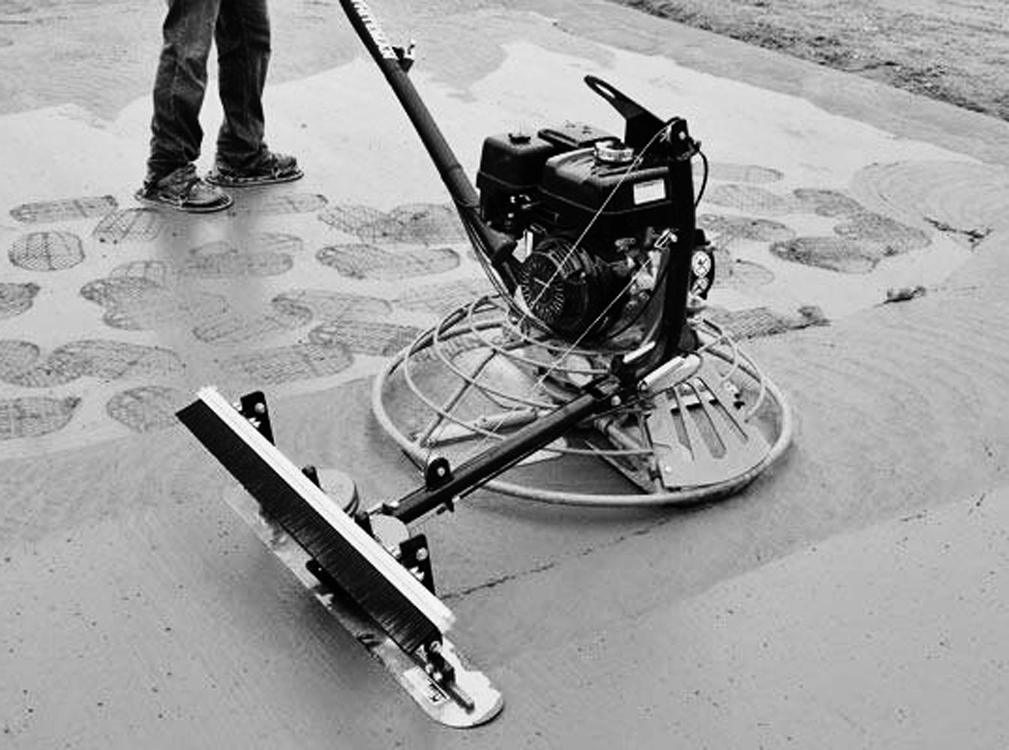
Polished concrete: Achieved through grinding with coarse, medium, and fine grade stones for a smooth, reflective surface.
Stained concrete: Adding color for aesthetic appeal.
Coated concrete: Applying protective layers for enhanced durability.
Epoxy Flooring
Epoxy flooring is a premier choice for demanding industrial settings. Made by mixing epoxy resin and hardener, it offers:
Chemical resistance: Protects against oils, acids, and cleaning agents.
Durability: Withstands heavy traffic and mechanical movement.
Seamless surface: Easy to clean and maintain.
Customizable textures: Available as smooth, semi-textured, or aggregate screeds.
Abrasion-resistant epoxy systems are designed for factories, warehouses, processing plants, and machine shops, combining high-performance resins with graded aggregates to withstand constant mechanical movement without premature wear.
Polyurethane Flooring
Polyurethane flooring offers flexibility along with durability. It can withstand heavy loads, frequent traffic, and chemical exposure. Key benefits include:
Flexibility: Can accommodate slight substrate movement.
Chemical resistance: Suitable for food processing and pharmaceutical environments.
Weather resistance: Can be used in both indoor and outdoor settings.
Specialized Industrial Flooring
For environments with specific requirements, options include:
Rubber flooring: Slip-resistant and comfortable for workers who stand for long periods.
Vinyl flooring: Easy-to-clean and available in various designs.
Anti-static mats: Essential for electronics and pharmaceutical industries.
Anti-fatigue mats: Increasingly popular for worker comfort and safety.
Part 2: Common Mistakes to Avoid in Flooring Selection and Installation
Now that you understand your options, it is crucial to recognize the pitfalls that can compromise your investment. These mistakes fall into several categories.
A. Mistakes Common to All Project Types
Mistake #1: Skipping Proper Subfloor Preparation
The subfloor is the foundation upon which your entire flooring system rests. Neglecting its preparation is perhaps the most common and costly mistake. Even the highest-quality flooring material will fail if the subfloor isn’t properly prepared.
What can go wrong: Uneven subfloors create gaps and creaks; contamination prevents adhesive bonding; inadequate surface profile prevents proper adhesion.
How to avoid it: Always inspect the subfloor for moisture, damage, and unevenness. For industrial projects, mechanically prepare the surface using shot blasting, grinding, or scarifying.
Mistake #2: Ignoring Moisture Testing
Moisture is the enemy of flooring. Skipping the moisture test is a frequent mistake that leads to significant damage and costly repairs.
What can go wrong: Moisture trapped in concrete creates osmotic pressure that causes blistering, bubbling, and delamination. Wood flooring can warp and buckle. Adhesives can break down.
How to avoid it: Perform Relative Humidity (RH) testing before installation, following industry standards like ASTM F2170. If RH readings are high, install a moisture-mitigation system.
Mistake #3: Choosing the Wrong Flooring for the Space
Selecting flooring without considering the specific conditions of the space is a surprisingly common error.
What can go wrong: Installing hardwood in bathrooms, using carpets in kitchens, choosing soft flooring in high-traffic areas, or selecting a system that cannot withstand chemical exposure in an industrial setting.
How to avoid it: Always match the flooring to the environmental conditions, traffic levels, and functional demands of the space.
Mistake #4: Neglecting Proper Acclimation
Materials like hardwood, laminate, and engineered flooring must be acclimated to the installation environment.
What can go wrong: Flooring expands, contracts, or warps after installation; gaps appear in winter, and buckling occurs in summer.
How to avoid it: Leave flooring materials in the installation room for at least 48–72 hours before installation. Keep the room at a stable temperature and humidity level during this period.
Mistake #5: Failing to Allow for Expansion Gaps
Many types of flooring expand and contract with changes in temperature and humidity. Not allowing for this movement is a frequent mistake.
What can go wrong: Flooring buckles or warps; peaking, squeaking, or “humps” appear.
How to avoid it: Leave a small gap (typically ¼ to ½ inch) between the flooring and walls. Use spacers during installation to maintain consistent gaps.
B. Mistakes Specific to Residential Projects
Mistake #6: Overlooking Lighting When Choosing Flooring Color
Choosing flooring color without considering the room’s lighting is a subtle but significant error.
What can go wrong: Dark floors can look even darker in rooms with limited natural light; lighter floors may appear too bright.
How to avoid it: Test flooring samples in the room to see how they appear under different lighting conditions.
Mistake #7: Prioritizing Aesthetics Over Practicality
Choosing flooring solely based on looks without considering wear and tear is a common homeowner mistake.
What can go wrong: Delicate flooring in high-traffic areas shows premature wear and damage.
How to avoid it: For kitchens, bathrooms, and entryways, prioritize durability and moisture resistance. Save delicate materials for low-traffic areas like formal living rooms.
C. Mistakes Specific to Commercial Projects
Mistake #8: Prioritizing Initial Cost Over Long-Term Value
In commercial projects, the pressure to minimize upfront costs often leads to choosing the cheapest flooring option.
What can go wrong: Cheap flooring wears out quickly, requiring premature replacement; the cost of replacing flooring during business hours is exponentially higher than the initial savings.
How to avoid it: Consider the total cost of ownership, not just the initial price. Invest in high-quality flooring that offers long-term durability.
Mistake #9: Failing to Match Flooring to Maintenance Capabilities
Every flooring type has specific maintenance requirements. Ignoring this is a common commercial mistake.
What can go wrong: Using wrong cleaning products causes permanent damage; inadequate maintenance leads to premature wear.
How to avoid it: Research maintenance requirements before selecting flooring. For busy commercial spaces, consider low-maintenance options like luxury vinyl or sealed concrete.
Mistake #10: Poor Sealing and Cutting
Attention to detail is essential in commercial projects. Poorly cut edges or unsealed gaps are surprisingly common.
What can go wrong: Rough or uneven cuts create unsightly gaps; unsealed gaps invite dirt, moisture, and pests.
How to avoid it: Use the right tools for cutting. Double-check cuts before installation, especially around doorways. Seal edges and seams with high-quality silicone.
D. Mistakes Specific to Industrial Projects
Mistake #11: Selecting the Wrong System for the Environment
Industrial environments place unique demands on flooring that are often underestimated.
What can go wrong: Chemical damage from spills; thermal shock cracking; premature wear from heavy traffic; loss of hygiene standards.
How to avoid it: Match the flooring chemistry and system configuration to the operational environment. Consider long-term exposure, not just initial appearance.
Mistake #12: Improper Joint and Crack Treatment
Concrete moves. Joints and cracks are designed to accommodate this movement. Ignoring them is a critical industrial error.
What can go wrong: Reflective cracking appears through the flooring system; delamination occurs along joints; slab failures from volume changes.
How to avoid it: Identify all structural joints before installation. Use flexible sealants where movement is expected. Properly detail joints so the flooring system can move with the substrate.
Mistake #13: Ignoring Substrate Evaluation
Rushing the installation process without proper evaluation is one of the most common industrial flooring failures.
What can go wrong: Flooring fails within months rather than years; delamination occurs because the flooring system cannot bond to the substrate.
How to avoid it: Conduct thorough substrate evaluation before installation. Perform moisture testing, contamination checks, and environmental assessments.
E. Mistakes in Installation and Contractor Selection
Mistake #14: Attempting DIY Without Proper Skills or Tools
While some flooring types can be DIY projects, most installations benefit from professional expertise.
What can go wrong: Installation mistakes lead to costly repairs; jobs remain unfinished; manufacturer warranties may be voided.
How to avoid it: Be realistic about your skills. For complex installations or large spaces, hire experienced contractors.
Mistake #15: Choosing a Contractor Based Solely on Price
Selecting the cheapest quote is a recipe for poor results.
What can go wrong: Poor-quality materials and rushed installation; a myriad of mistakes that need correction; no long-term support.
How to avoid it: Look for experience, not just low price. Review past projects and references. Ask about their process—do they test for moisture? Do they properly prepare the subfloor?
Mistake #16: Ignoring Manufacturer Instructions
Every flooring product comes with specific installation guidelines. Overlooking these instructions is surprisingly common.
What can go wrong: Warranty is voided; performance is compromised; the finished result fails to meet expectations.
How to avoid it: Always read and follow the manufacturer’s installation manual. Use only recommended adhesives, fasteners, and underlayment materials.
F. Maintenance and Long-Term Care Mistakes
Mistake #17: Neglecting Proper Maintenance
Installation is only half the job. Many property owners fail to maintain their floors correctly.
What can go wrong: Damage from using wrong cleaning products; scratches, stains, or premature wear from neglect.
How to avoid it: Research the maintenance requirements for each type of flooring. Use cleaning products suitable for your flooring material.
Mistake #18: Failing to Protect Flooring from Furniture Damage
One of the most common—and easily preventable—homeowner mistakes.
What can go wrong: Scratches and scrapes from moving furniture; permanent damage to expensive flooring.
How to avoid it: Add furniture pads to legs of chairs, tables, and other furniture items. Use floor protectors under heavy objects.
Part 3: Smart Strategies to Avoid Flooring Mistakes
1. Start with Proper Subfloor Evaluation
Whether residential, commercial, or industrial, proper substrate evaluation is the single most important step. Don’t skip moisture testing, leveling, or cleaning.
2. Match the Flooring to the Environment
Consider not just the aesthetics but also the functional demands of the space: moisture levels, traffic, chemical exposure, and maintenance capabilities.
3. Don’t Skimp on Installation
Professional installation may cost more upfront, but it prevents costly repairs and replacement later.
4. Allow Proper Acclimation and Expansion
Every material needs time to adjust to its environment. Don’t rush the process.
5. Consider Long-Term Value, Not Just Initial Cost
The cheapest option rarely proves the most cost-effective over time.
Conclusion: Get It Right the First Time
Flooring failures are rarely caused by the material itself. They are almost always the result of moisture issues, poor preparation, improper detailing, or incorrect product selection.
The key to a successful flooring project—whether residential, commercial, or industrial—is proper planning, expert guidance, and careful execution. By first understanding your options and then avoiding these common mistakes, you can ensure your flooring looks beautiful, performs well, and lasts for decades.
Partner with Sunrise Designers & Engineering Construction
At Sunrise Designers & Engineering Construction, we bring extensive experience in providing professional flooring and surface finishing solutions across Nepal’s residential, commercial, and industrial sectors. Our team understands the unique challenges of each project type and follows best practices to ensure long-lasting performance.
Our Services Include:
Residential Flooring: Kota stone, terrazzo, SPC, wood, and parquet
Commercial Flooring: Granite, marble, terrazzo, and high-quality vinyl
Industrial Flooring: Epoxy, polyurethane, heavy-duty concrete, and chemical-resistant systems
Surface Preparation: Screeding, grinding, polishing, and epoxy grouting
Expert Consultation: Helping you select the right flooring for your specific needs
Why Choose Sunrise?
Expert Team: Experienced engineers and technicians
Quality Materials: Only the best products used
Professional Installation: Proper preparation and execution
Long-Term Support: Maintenance advice and after-sales service